
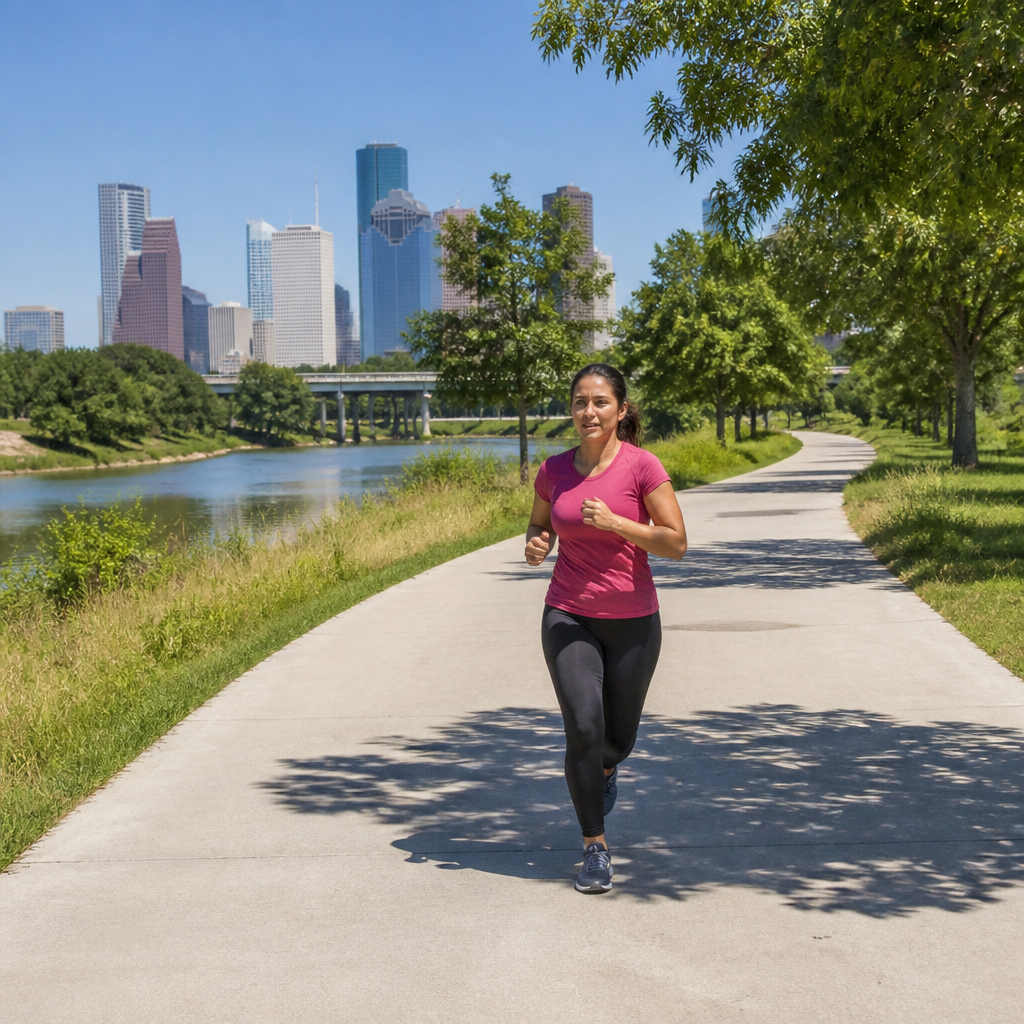
Outdoor Exercise and Lifestyle Fit: Defining the Best Match for Personal Habits
Outdoor exercise refers to physical activities performed in open-air environments such as parks, trails, beaches, or urban outdoor spaces. Finding the type of outdoor exercise that aligns with one’s lifestyle is crucial for sustaining motivation, maximizing health benefits, and enhancing overall well-being. According to the World Health Organization (WHO), at least 150 minutes of moderate-intensity aerobic activity per week is recommended for adults to maintain optimal health, and outdoor activities provide an effective and engaging way to achieve this. This article explores various forms of outdoor exercise, links them to different lifestyle attributes, and examines how individuals can choose the best exercise to fit their habits, preferences, and daily routines.
Definition and Characteristics of Outdoor Exercise Suitable for Lifestyle
Outdoor exercise, as defined by the American College of Sports Medicine (ACSM), encompasses any physical activity performed outside enclosed spaces, engaging natural environments that often stimulate mental and physical health simultaneously. The attributes that determine suitability include intensity, duration, social interaction level, accessibility, and adaptability to individual schedules.
Key statistics from a 2022 survey by the Outdoor Foundation indicate that walking/hiking is the most popular outdoor activity, followed by running, cycling, and outdoor fitness classes. Each of these activities can be aligned with different lifestyle needs, such as time availability, fitness goals, and social preferences.
Hyponyms of outdoor exercise include:
- Walking/Hiking – low to moderate intensity, accessible to most ages
- Running/Jogging – moderate to high intensity, time-efficient
- Cycling – moderate intensity, useful for commuting and recreation
- Outdoor Group Fitness – social, structured, varying intensity levels
- Adventure Sports (e.g., rock climbing, trail running) – higher intensity, skill-dependent
The following sections connect these subtypes with lifestyle categories for better clarity in decision-making.
Low-Intensity Outdoor Activities for Sedentary or Busy Lifestyles
Walking and hiking are often recommended for individuals with sedentary jobs or limited free time. These activities require minimal equipment, can be performed almost anywhere, and have lower impact on joints, making them suitable for all ages and fitness levels. As the CDC notes, brisk walking for 30 minutes daily can significantly reduce the risk of chronic diseases.
A 2021 study in the Journal of Aging and Physical Activity found that regular hiking improved cardiovascular health and mental well-being in middle-aged adults. Additionally, busy professionals often integrate walking meetings or evening strolls to maintain physical activity without disrupting their routines.
Moderate to High-Intensity Outdoor Activities for Fitness-Oriented Lifestyles
Running and jogging provide more vigorous exercise and are ideal for individuals who prioritize cardiovascular fitness or have limited time but want high-impact results. Running can burn between 600-900 calories per hour depending on pace and body weight, making it a time-efficient exercise.
Cycling bridges fitness and utility; it serves both as an aerobic workout and a mode of transportation, favored by urban dwellers and environmentally conscious individuals. According to a 2020 report by the National Bicycle Dealers Association, urban bike commuting increased by 40% in recent years, highlighting its role in active lifestyles.
Social and Structured Outdoor Fitness for Community-Oriented Lifestyles
Group fitness classes, such as outdoor yoga, boot camps, or dance workouts, cater to those who thrive on social interaction and structured exercise routines. Research from the University of Oxford (2022) indicates group exercise improves adherence and motivation by 30% compared to solo workouts.
These activities combine the benefits of fresh air with social bonding, which can be particularly beneficial for mental health and self-discipline, making them an excellent fit for extroverted and community-driven individuals.
Adventure and Skill-Based Outdoor Activities for Active and Thrill-Seeking Lifestyles
Adventure sports such as trail running, rock climbing, kayaking, or mountain biking appeal to those seeking challenge, adrenaline, and an escape from routine. While requiring more skill and preparation, these activities offer comprehensive physical and mental health benefits by improving strength, endurance, and focus.
According to a 2019 Adventure Tourism Market report, participation in adventure sports has grown annually by over 12%, reflecting increasing interest in such engaging and rewarding outdoor experiences.

Choosing the Best Outdoor Exercise Aligned with Your Lifestyle
Selecting the right outdoor exercise involves assessing personal lifestyle factors such as time availability, fitness goals, social preferences, and accessibility. For example, a full-time office worker may benefit from low-intensity walks or jogging during commutes, while a social individual might prefer group fitness classes to maintain motivation.
Age and physical condition also influence choices. Older adults are generally encouraged to pursue low-impact activities like walking or tai chi in parks to reduce injury risk while maintaining mobility. Conversely, young adults seeking fitness gains may opt for cycling or running.
Environmental factors, such as urban versus rural settings, seasonal weather patterns, and available infrastructure (bike lanes, parks), also play vital roles in determining which outdoor exercise is feasible and enjoyable.
Conclusion: Matching Outdoor Exercise Types with Lifestyle Attributes for Optimal Health
Understanding the key attributes of outdoor exercise and how they align with individual lifestyle habits enables more sustainable and enjoyable fitness practices. From low-intensity walking suitable for busy or older adults, to vigorous running and cycling fitting fitness enthusiasts, and social group activities ideal for community-oriented people to adventure sports suited for thrill-seekers, each offers unique benefits backed by research and data.
Prioritizing outdoor exercise tailored to one’s lifestyle not only improves physical health but also enhances mental well-being and social connection. Future readers are encouraged to experiment with different outdoor activities, consider their daily routines and preferences, and gradually integrate sustainable habits that promote lifelong wellness.


